

Where Is Rutland? Location, Map, Facts & Things to Do
The quietest paths, the best views and where to stop for a flat white on the way round.

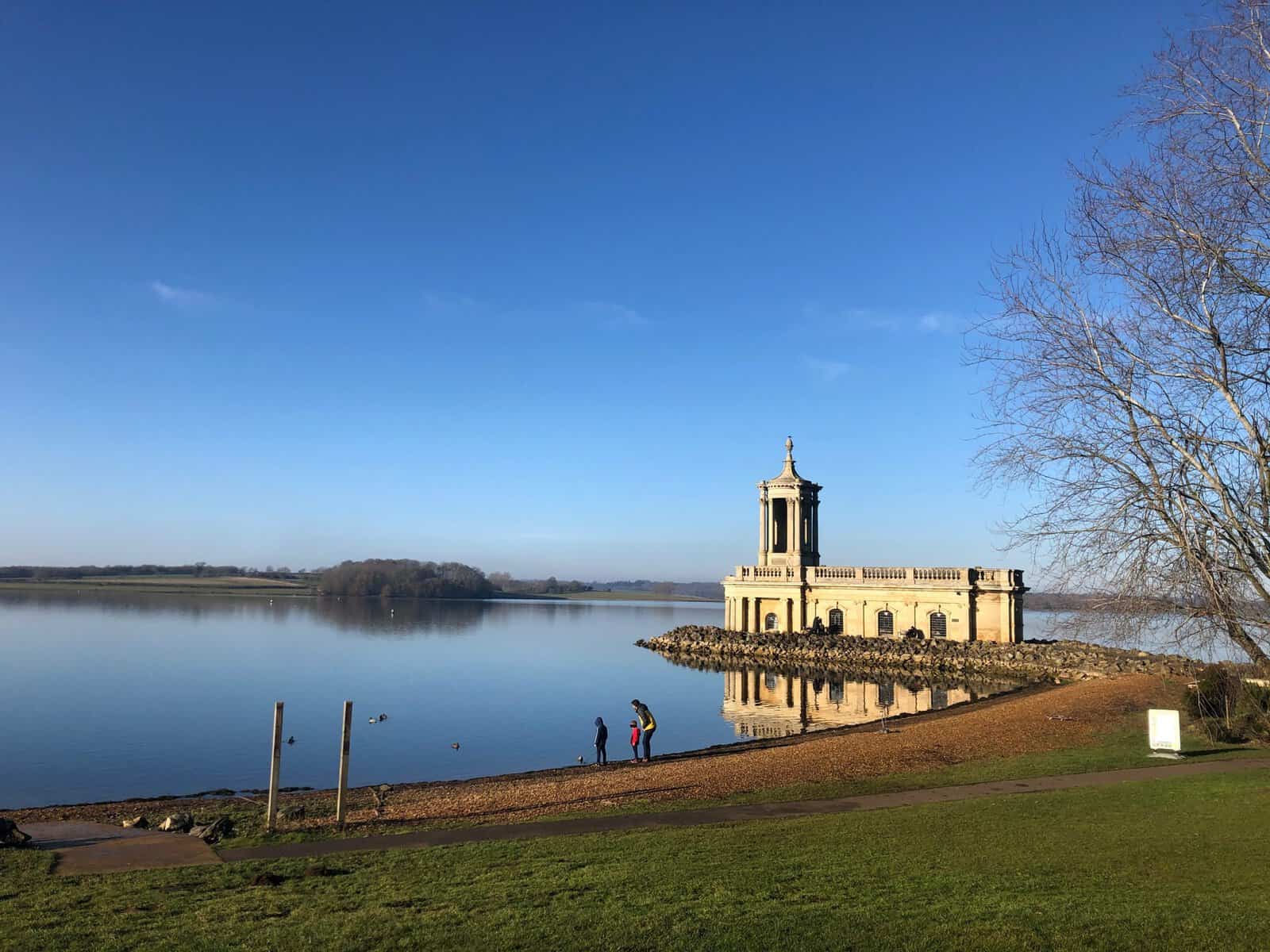
If you’ve ever wondered where Rutland is, you’re certainly not alone.
Tucked away in the East Midlands of England, Rutland is a small county surrounded by some much larger neighbours. It sits between Leicestershire, Lincolnshire and Northamptonshire, with the historic market towns of Oakham and Uppingham at its heart.
Best known for the beautiful expanse of Rutland Water, the county is also home to rolling countryside, pretty stone villages, historic buildings, country pubs and miles of walking and cycling routes.
Rutland may be small, but there is plenty to discover.
So, where exactly is Rutland, what is it known for, and how do you get there? Here’s everything you need to know.
Where is Rutland?
Rutland is a county in the East Midlands of England.
It is bordered by:
- Leicestershire to the west and north
- Lincolnshire to the east
- Northamptonshire to the south
The county town is Oakham, which sits in the western part of Rutland. The other main town is Uppingham, to the south.
At the centre of the county you’ll find Rutland Water, the huge reservoir that has become one of Rutland’s best-known landmarks.
Rutland is roughly 100 miles north of London, while Leicester, Peterborough, Nottingham and Stamford are all within relatively easy reach.
Despite being one of England’s smallest counties, Rutland has a surprisingly varied landscape. Open farmland, wooded valleys, rolling hills and picturesque villages give the county a distinctly rural character.
And because Rutland is compact, it is possible to explore a great deal of it in a single weekend.
Where is Rutland on the map?
If you’re trying to picture where Rutland is, look towards the centre of England.
Rutland is located roughly between Leicester and Peterborough, with Stamford sitting just beyond its eastern boundary. Nottingham is to the north, while Corby and Northampton are to the south.
Oakham is around 25 miles east of Leicester, while Uppingham is approximately 20 miles south-east of Oakham.
The county is also close to the A1, which runs just to the east of Rutland and provides an important north-south road connection.
This central location makes Rutland surprisingly accessible from many parts of England, despite its quiet and rural appearance.
What is Rutland known for?
Ask most people what they associate with Rutland and the answer will probably be Rutland Water.
The reservoir dominates the centre of the county and is one of the largest artificial lakes in the UK. It is a major destination for sailing, fishing, cycling, walking and wildlife watching.
Rutland is particularly famous for its ospreys. The Rutland Osprey Project has helped establish a breeding population around Rutland Water, and the birds have become one of the county’s most celebrated wildlife attractions.
But Rutland is about much more than the reservoir.
The county is also known for its historic market towns, beautiful villages, churches, country estates and distinctive local stone.
There is a slower pace of life here, and that is part of the appeal.
Rather than huge tourist attractions and busy city centres, Rutland offers the pleasure of discovering a village you’ve never visited before, finding a quiet footpath across the fields or sitting outside a country pub after a long walk.
What places are in Rutland?
Although Rutland is small, there are plenty of places to explore.
Oakham
Oakham is Rutland’s county town and the largest settlement in the county.
The town has a long history and is home to some of Rutland’s most recognisable landmarks, including Oakham Castle, the historic Buttercross and Rutland County Museum.
Oakham Castle is particularly unusual. Its Great Hall is one of the finest surviving examples of Norman architecture in Europe, while the castle is famous for its collection of ceremonial horseshoes.
The town centre is also a good place to experience modern Rutland, with independent shops, cafés, pubs and restaurants alongside its historic buildings.
Oakham is an excellent base for exploring the rest of the county and is also home to Rutland’s main railway station.
Uppingham
A few miles south of Oakham is Uppingham, Rutland’s other main market town.
Uppingham has a distinctive character of its own, with an attractive high street, independent shops, cafés, restaurants and traditional pubs.
The town is particularly well known for Uppingham School, one of the country’s leading independent schools.
Like Oakham, Uppingham makes a useful base for exploring the surrounding countryside, and its market and historic buildings add plenty of character to a visit.
Rutland Water
At the heart of Rutland is its biggest attraction: Rutland Water.
The reservoir covers around 3,000 acres and is surrounded by countryside, woodland and walking and cycling routes.
There are plenty of ways to enjoy it.
You can walk along the reservoir, cycle sections of its extensive trail network, try sailing or windsurfing, go fishing, or simply find a quiet spot to enjoy the views.
For wildlife lovers, the Rutland Water Nature Reserve is particularly important. The reservoir attracts large numbers of birds throughout the year, with the osprey population being one of its biggest attractions.
Rutland’s villages
Some of the county’s greatest treasures are its villages.
Places such as Lyddington, Exton, Cottesmore, Empingham, Ketton, Barrowden, Whissendine and Greetham each have their own character, but many share the traditional stone buildings and rural setting that make Rutland so distinctive.
Lyddington is particularly notable for Lyddington Bede House, while the villages around Rutland Water offer plenty of opportunities for walks and countryside exploration.
One of the joys of visiting Rutland is simply choosing a village you’ve never been to and seeing where the afternoon takes you.
What are the best places to visit in Rutland?
There is plenty to see and do across the county, but some places are particularly worth putting on your list.
Rutland Water is the obvious starting point. Whether you’re interested in walking, cycling, sailing or wildlife, you can easily spend an entire day exploring the reservoir.
In Oakham, visit Oakham Castle and Rutland County Museum before exploring the town centre.
In Uppingham, take time to browse the independent shops and cafés and enjoy the town’s historic character.
History lovers should also consider Lyddington Bede House, while walkers can explore the extensive network of footpaths connecting Rutland’s villages.
For a bigger challenge, the Rutland Round provides an approximately 65-mile walking route around the county, passing through or close to many of its villages and landscapes.
The route can be completed over several days or enjoyed as a series of individual day walks.
What are the villages of Rutland like?
If you’re visiting Rutland for the first time, don’t limit yourself to the two towns.
Some of the county’s most memorable places are its smaller villages.
Many are built from the distinctive local limestone, giving Rutland a consistent architectural character. You’ll find village greens, old churches, stone cottages, farmhouses and traditional pubs alongside modern homes and community facilities.
Exton is surrounded by beautiful countryside and is particularly attractive in autumn, while Cottesmore has a long association with the local military community.
Ketton is one of the larger villages and has a fascinating industrial and natural history, while Empingham is an important village close to Rutland Water.
Further south, Barrowden sits close to the River Welland and makes a lovely starting point for exploring the surrounding countryside.
These villages are one of the reasons that Rutland feels different from many other popular English destinations. There is no single “Rutland experience”. Instead, the character of the county comes from dozens of small places connected by quiet roads and footpaths.
What places are close to Rutland?
Rutland’s central location means there are plenty of interesting places nearby.
Stamford is just beyond the eastern edge of the county and is an obvious addition to a Rutland trip. Famous for its beautiful historic buildings, independent shops and cafés, Stamford is one of England’s most attractive market towns.
Just beyond Stamford is Burghley House, one of England’s great Elizabethan houses and a major visitor attraction.
To the west, Leicester offers a very different experience, with museums, restaurants, shopping and attractions including the King Richard III Visitor Centre and National Space Centre.
Peterborough lies to the east and is home to its magnificent cathedral, while Nottingham is within easy reach to the north.
This makes Rutland a useful base for exploring the wider East Midlands. You can spend a day exploring the countryside before heading into one of the region’s larger towns or cities.
How do you get to Rutland?
Despite its rural feel, Rutland is relatively easy to reach.
Getting to Rutland by car
For drivers, Rutland is well connected to the national road network.
The A1 runs just east of the county, providing a convenient route for visitors travelling north or south.
Oakham and Uppingham can then be reached via the local road network.
From London, the journey is roughly 100 miles, although the actual driving time will depend on traffic and your starting point.
Leicester is particularly close, making Rutland an easy day trip from the city.
Getting to Rutland by train
The main railway station in Rutland is Oakham.
Oakham has direct rail connections towards Leicester, Birmingham and Peterborough, with services also providing onward connections towards London and other parts of the country.
For visitors heading to the eastern side of Rutland, Stamford railway station can also be useful, although Stamford itself is just outside the county in Lincolnshire.
Oakham station is conveniently located close to the town centre, making it possible to arrive by train and start exploring without needing a car.
If you’re travelling by public transport, it is worth checking current train and bus timetables before setting off, particularly if you’re planning to visit some of Rutland’s smaller villages.
Is Rutland worth visiting?
Absolutely.
Rutland is unlikely to appeal to someone looking for a huge city break or a packed schedule of major tourist attractions.
Its appeal is different.
It is a place to slow down.
Spend a morning walking beside Rutland Water, have lunch in Uppingham, explore Oakham Castle, wander around a quiet village or follow a footpath through the countryside.
Because the county is so compact, you can experience several different sides of Rutland in a single day.
You can start with breakfast in Oakham, walk beside the reservoir, visit a village such as Lyddington or Exton, and finish the day with dinner in Uppingham.
For walkers and cyclists, there is even more to explore. The network of public rights of way and quiet country roads makes Rutland an excellent destination for exploring on foot or by bike.
And if you enjoy discovering places at a slower pace, Rutland is hard to beat.
Where is Rutland? FAQs
Where is Rutland in England?
Rutland is a county in the East Midlands of England, bordered by Leicestershire, Lincolnshire and Northamptonshire. Its county town is Oakham.
What county is Rutland in?
Rutland is itself a county. It is a historic county and also has its own unitary local authority.
Is Rutland a county?
Yes. Rutland is a ceremonial and historic county in England and has its own unitary local authority.
What is the main town in Rutland?
Oakham is Rutland’s county town and largest settlement. Uppingham is the county’s other main market town.
What is Rutland famous for?
Rutland is best known for Rutland Water, its picturesque countryside and villages, historic market towns and the successful osprey population around the reservoir.
Where is Rutland Water?
Rutland Water is located in the centre of Rutland, close to both Oakham and Uppingham. It is one of the UK’s largest reservoirs and is a major destination for walking, cycling, water sports and wildlife watching.
Is Rutland the smallest county in England?
Rutland is widely described as England’s smallest historic county. It covers around 382 square kilometres.
How far is Rutland from London?
Rutland is approximately 100 miles north of London, although the exact distance and journey time depend on which part of the county you are travelling to.
How do you get to Rutland by train?
Oakham is the main railway station in Rutland, with services towards Leicester, Birmingham and Peterborough. Stamford station, just outside the county in Lincolnshire, can also be useful for visitors travelling to eastern Rutland.
Final thoughts
So, where is Rutland?
It’s a small county in the heart of England’s East Midlands, tucked between Leicestershire, Lincolnshire and Northamptonshire.
But knowing where Rutland is doesn’t really tell you what makes it special.
For that, you need to visit.
Explore Oakham’s historic streets and discover the horseshoes at Oakham Castle. Browse the independent shops of Uppingham. Walk beside Rutland Water and look out for ospreys overhead. Find a quiet country pub, wander through one of the county’s stone villages or simply follow a footpath and see where it leads.
Rutland may be small, but that is part of its charm.
Everything feels close enough to explore, yet there is always another village, another view or another footpath waiting to be discovered.
Come for Rutland Water. Stay for the countryside. And you’ll soon understand why so many people fall in love with Rutland.