The Story of Rutland’s Horseshoe Tradition
Have you ever wanted to know more about Rutland’s horseshoe tradition? Why are there so many of them…

Have you ever wanted to know more about Rutland’s horseshoe tradition? Why are there so many of them hanging on the wall of Oakham Castle? And what do they mean?
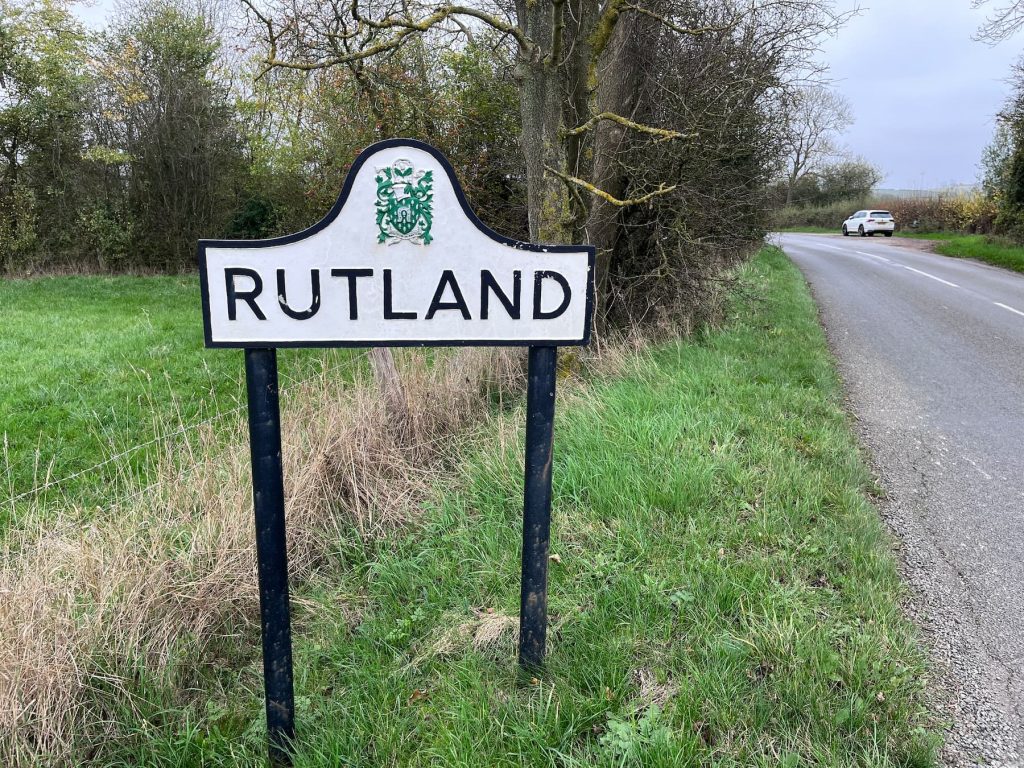
This guide aims to tell you everything you need to know about the unique symbol of Rutland and why you see it everywhere when visiting.
Rutland’s association with horseshoes isn’t merely decorative – it’s actually a throwback to medieval nobility, ancient customs, and long-lasting superstitions.
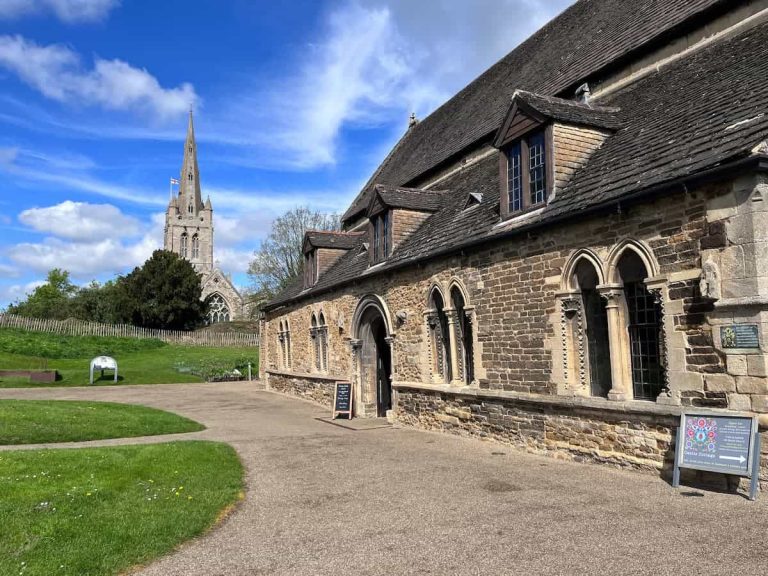
Within the popular Oakham Castle, more than 230 ceremonial horseshoes tell tales of royal visits and noble gatherings, each one a metallic chapter in Rutland’s fascinating history.
From Edward IV’s 1470 offering to contributions from the modern-day Royal Family, this unique collection is one of the must-see sights if you’re visiting Rutland.
*This site contains affiliate links, where I get a small commission from purchases at no extra cost to you
Rutland’s History and Culture
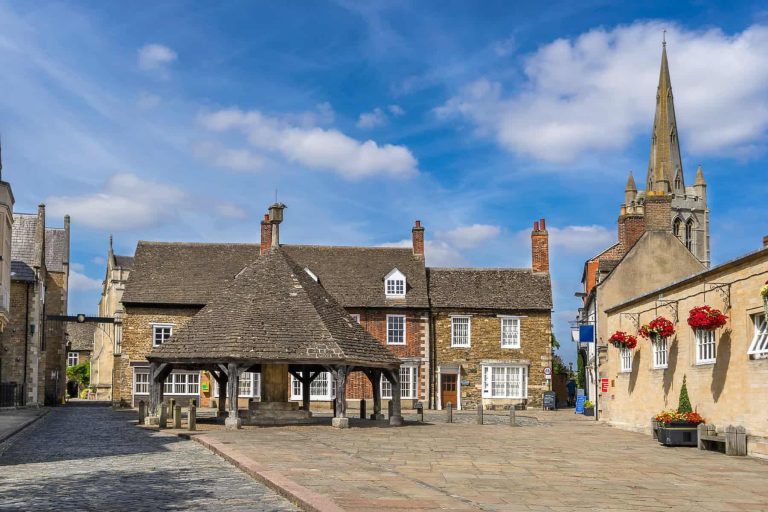
The history of Rutland stretches back to 1159 when it was first noted as a separate county. The area began as sparsely populated oak woodland, later welcoming Roman settlers at Great Casterton.
The arrival of Angles and Saxons in the 5th and 6th centuries brought new influences.
The area held special significance in Anglo-Saxon times, forming part of the traditional dowry for queens. Today, Rutland’s gentle landscape is dotted with market towns and villages that tell tales of its rich past.
The county’s horseshoe symbol heritage runs particularly deep, with this distinctive symbol appearing prominently in local traditions.

Origins of the Horseshoe Tradition
At the heart of Rutland’s horseshoe tradition lies the notable de Ferrers family, whose very name stems from ‘farrier.’
Their connection to the county strengthened when William the Conqueror granted Henry de Ferrers, his Master of Horse, the manor of Oakham Castle following the Norman Conquest.
The family’s coat of arms, adorned with six black horseshoes, became a lasting symbol of their influence.
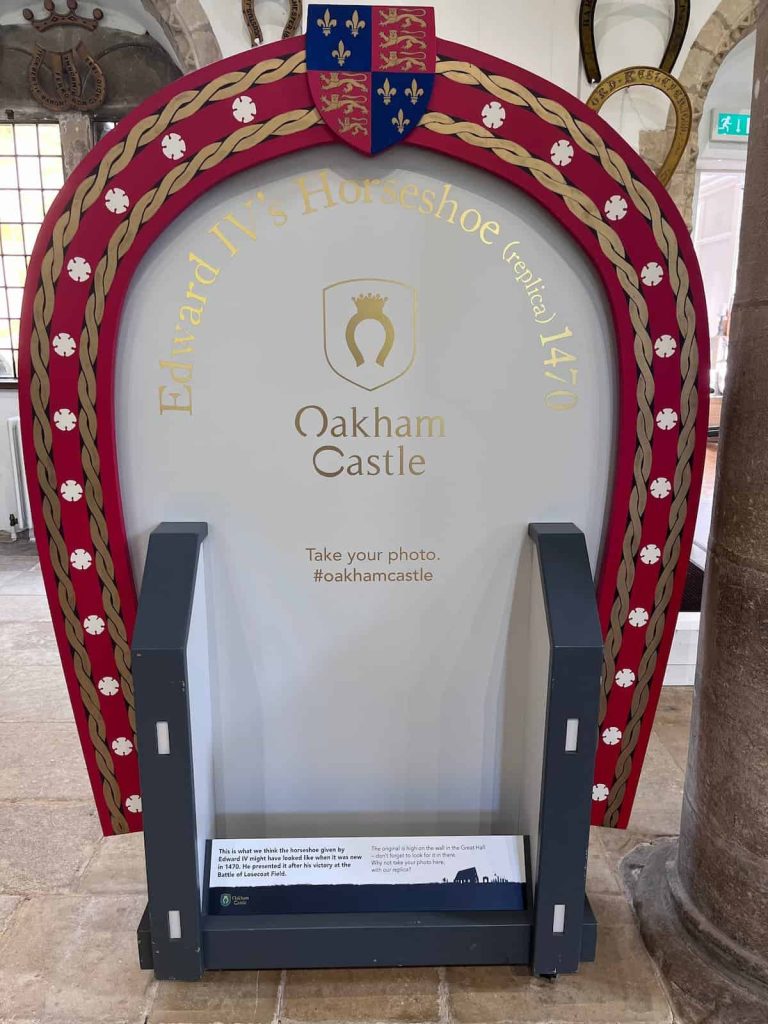
The custom of presenting horseshoes requires peers to gift one upon their first visit to Oakham. The earliest recorded horseshoe in this peculiar tradition dates from 1470, bestowed by Edward IV.

Oakham Castle and Ceremonial Horseshoes
Standing proudly since the 12th century, Oakham Castle‘s Great Hall houses an extraordinary collection of over 230 ceremonial horseshoes. Built between 1180 and 1190, this remarkable building shows the oldest surviving horseshoe presented by Edward IV in 1470 to more recent additions.
Members of the modern royal family have continued this time-honoured custom, with the Princess Royal leaving her mark in 1999, followed by the Prince of Wales in 2003 and the Duchess of Cornwall in 2014.
Each horseshoe in this grand collection bears witness to the visits of nobility and royalty through the ages.

Symbolism, Superstitions, and Celebrations
In Rutland’s historical traditions, horseshoes hold a special place in local customs, with a rather particular way of mounting them – open end pointing downward.
This distinctive placement, seen throughout the county, stems from the belief that good fortune falls onto those walking beneath. Local lore suggests this upside-down orientation keeps the devil from making his home in the curved space of the shoe.
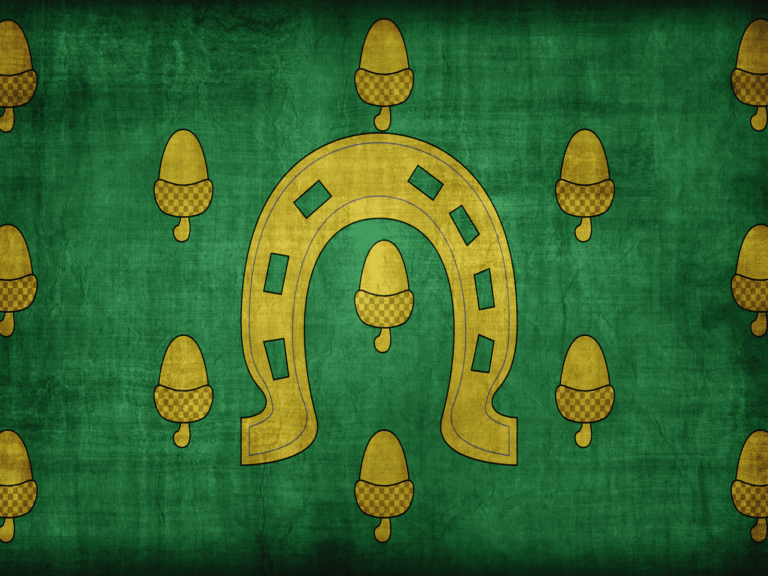
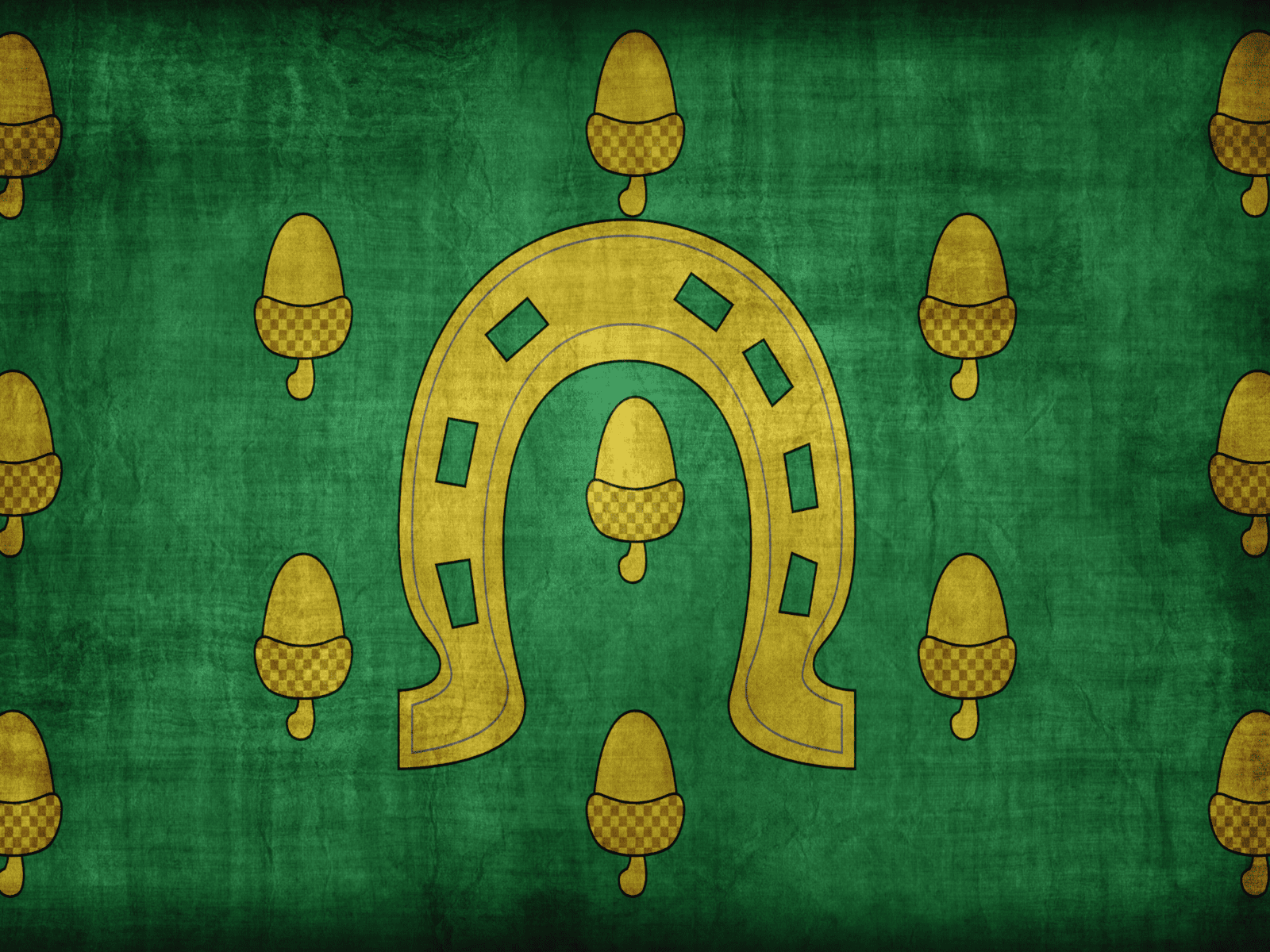
The horseshoe’s importance shines through in Rutland’s official imagery, gracing both the county council arms and flag. It is also featured on road signs, some golf courses, local businesses and captured by many local artists and photographers.

Horseshoes in Rutland’s Modern Identity
The horseshoe symbol stands proudly at the heart of Rutland’s present-day character, adorning everything from the county council’s official arms to the distinctive Rutland flag.
Visitors from across Britain also visit Oakham Castle to check out the famous horseshoe collection. It really is unique and Rutland is the only place where it can be found.
Small shops and family-run businesses offer horseshoe-themed keepsakes, while guided tours of Oakham Castle share tales of this enduring tradition with guests.
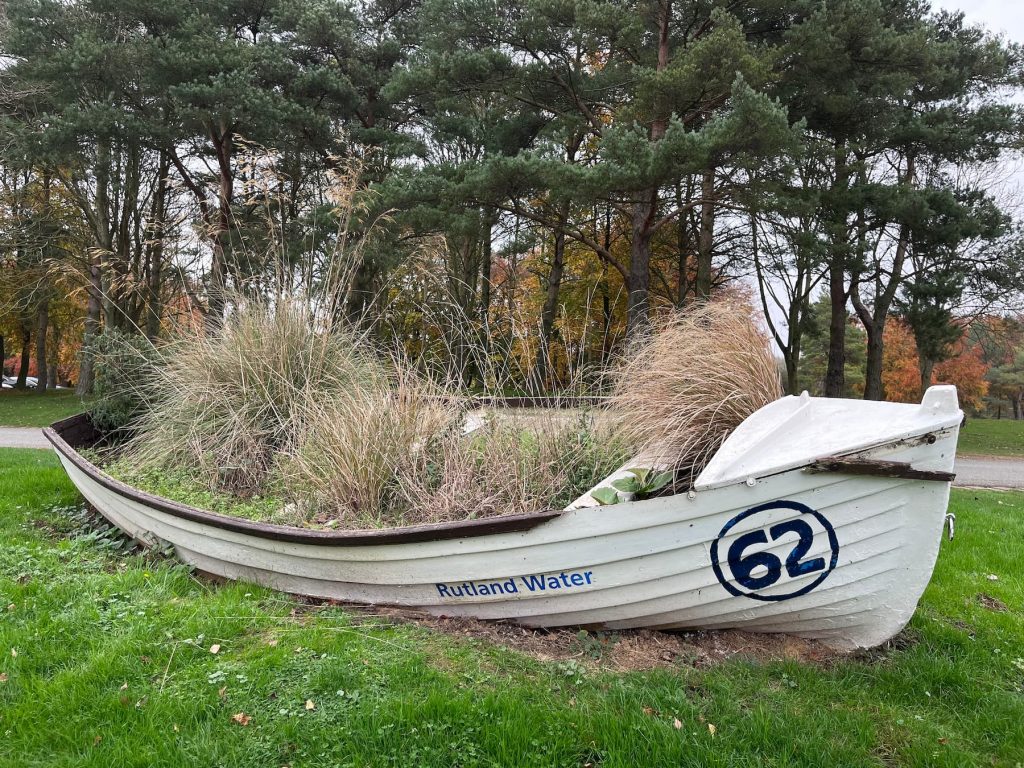
Near the castle, Rutland Water draws visitors who often pair their outdoor activities with cultural stops to learn about the county’s unique horseshoe story.
Rutland Horseshoe FAQs
The horseshoe forfeit is a unique tradition in Rutland, requiring visiting royalty and peers of the realm to present a ceremonial horseshoe upon their first visit to Oakham. This custom dates back to at least 1470 when Edward IV is recorded as the first monarch to contribute. Today, Oakham Castle proudly displays an extensive collection of these historic horseshoes on its walls.
A person from Rutland is called a Rutlander.
Yes, Rutland remains the smallest county in England by land area, covering just 147 square miles (382 km²). However, it briefly lost its county status in 1974 when it was merged with Leicestershire, only to regain independence in 1997.
My Final Thoughts
Beyond the castle walls, take a gentle stroll to Burghley House, Belvoir Castle, or Rockingham Castle, each offering its own connection to Rutland’s horse-focused heritage. The Rutland County Museum – a short walk away – holds treasured exhibits that paint a picture of local customs through the ages.
The horseshoe tradition of Rutland stands as more than just a historical curiosity – it represents the beating heart of a community that cherishes its unique heritage.