Why Rutland Water is a Photographer’s Dream
Rutland Water offers endless photographic opportunities, from misty dawns to golden sunsets, making it a must-visit for every photographer.

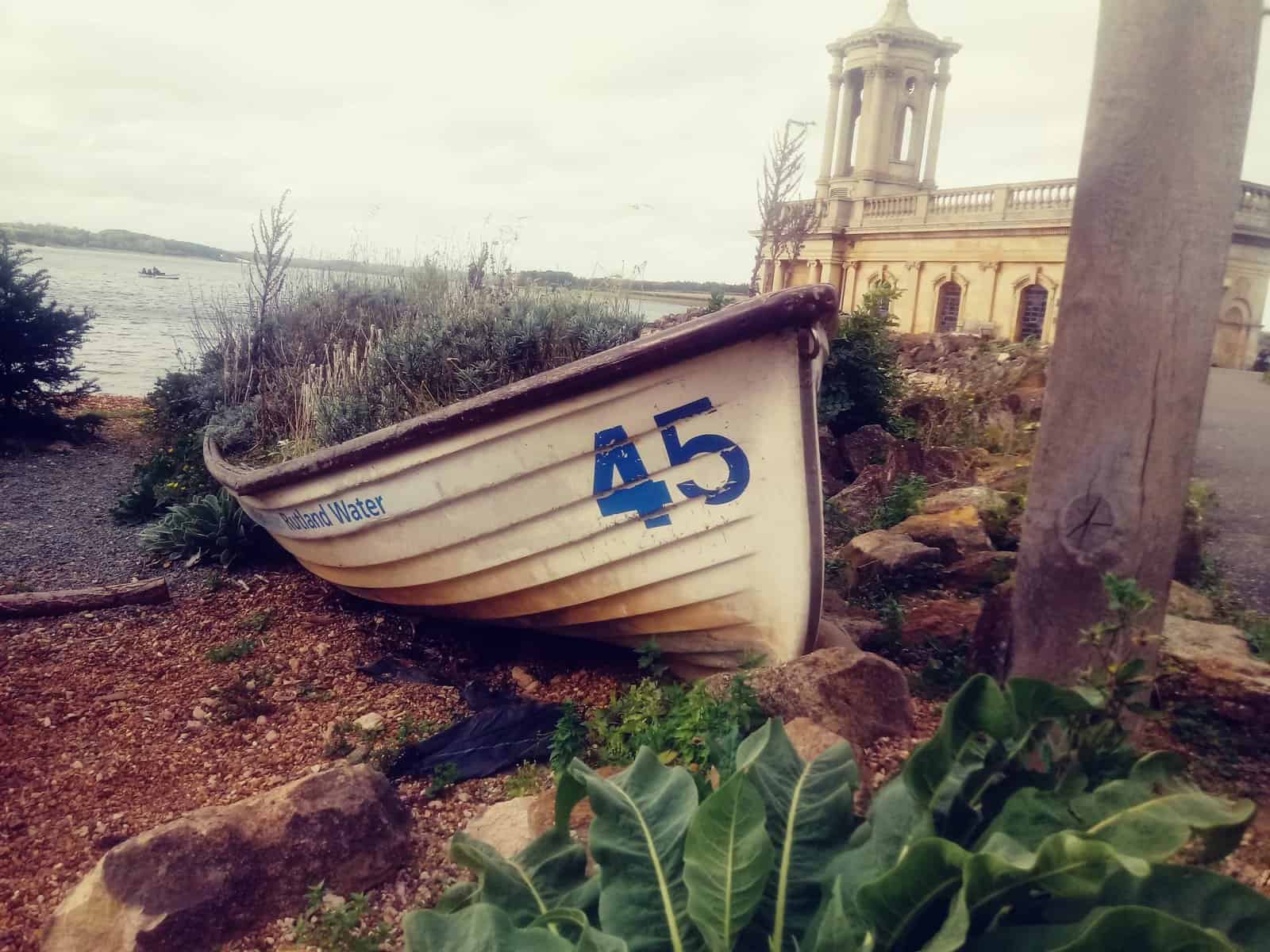
Rutland Water photography has never been more popular – and it’s easy to see why.
As England’s largest reservoir by surface area, this vast expanse of water offers an endless playground for creativity.
From the misty silhouette of Normanton Church at dawn to ospreys plunging into the depths, every shot tells a story.
No matter your gear – be it a smartphone or a pro-level camera – the ever-changing seasons paint this 3,100-acre landscape in fresh hues.
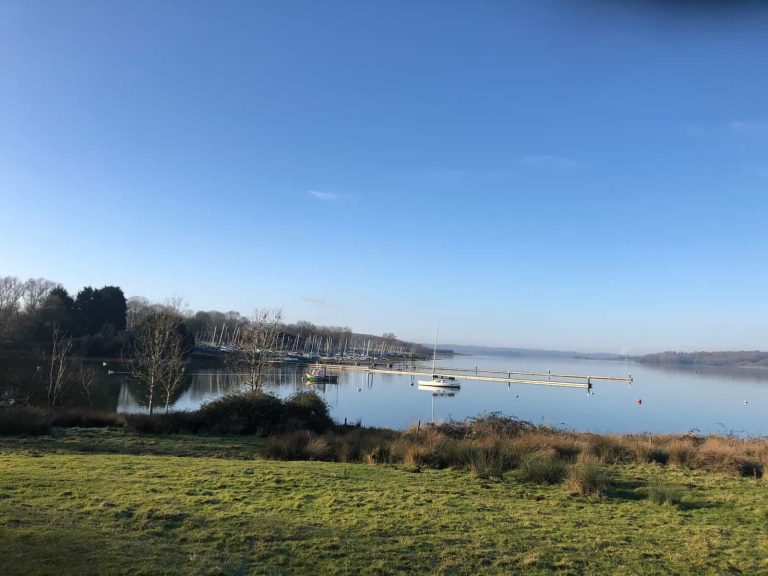
Mornings bring mirror-like reflections, while golden-hour sunsets turn the reservoir into pure magic.
If you’re chasing breathtaking shots, Rutland Water is calling. Are you ready to capture it?

*This site contains affiliate links, where I get a small commission from purchases at no extra cost to you
Best Times for Photography at Rutland Water
The soft, warm light of golden hour photos, occurring just after sunrise and before sunset, offers photographers stunning opportunities at Rutland Water.
Early morning brings calm waters and beautiful reflections, while late afternoon light bathes the landscape in rich colours.
Spring showcases active wildlife and fresh foliage, autumn presents colourful leaves and migrating birds, and winter mornings often feature dramatic foggy scenes across the reservoir.
Essential Gear for Rutland Water Photography
A super-telephoto lens (500-600mm) proves vital for capturing the reserve’s wildlife, particularly the waterfowl and ospreys.
A sturdy tripod helps maintain sharpness, especially during low-light periods and long exposures.
Polarising filters reduce water glare and boost colour saturation, while wildlife photography equipment protects your kit against unexpected rain and spray.

Capturing the Iconic Normanton Church
Early morning at Normanton Church brings mirror-like reflections on the water’s surface, making it an ideal time for photographs.
Shooting from water level creates striking compositions, particularly when the church stands against a colourful sunrise sky.
Adding natural elements like reeds or stones in the foreground gives photos more depth while framing the historic building.

Photographing Wildlife at Rutland Water Nature Reserve
The reserve welcomes over 25,000 waterfowl during winter months, making it a prime spot for bird photography.
During breeding season, photographers can spot ospreys fishing over the water.
To capture these moments while protecting the wildlife, maintain a good distance and use a long lens.
Stay on marked paths to safeguard natural habitats, and avoid approaching or disturbing animals for photos.
Techniques for Stunning Sunsets
Getting to your chosen spot well before sunset allows time to set up equipment and plan compositions.
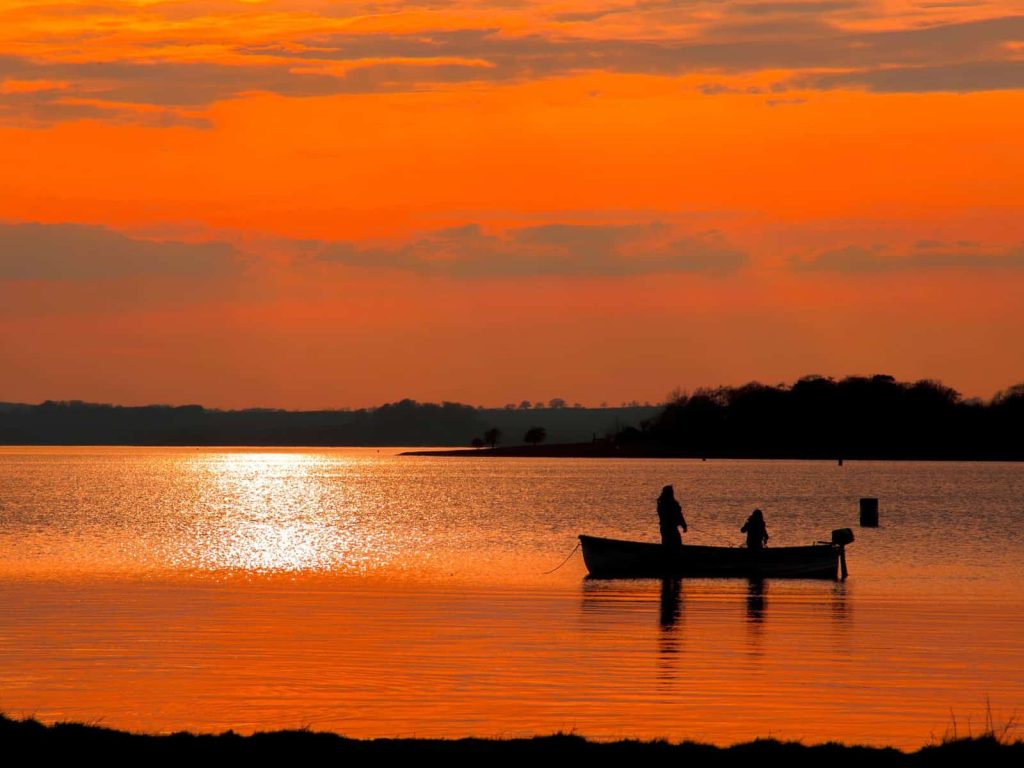
The changing light creates opportunities for dramatic silhouettes of Normanton Church and boats against the coloured sky.
Using graduated neutral density filters helps balance bright skies with darker water, while incorporating the reservoir’s reflections adds depth to sunset photographs.
Patience during the sun’s descent often yields the most striking results.
Long Exposure Photography
Neutral density filters paired with exposure times of 4-6 seconds create silky-smooth water patterns across Rutland Water’s surface.
A solid tripod keeps images sharp during these longer shots.
The technique works well at the dam wall and near the sailing club, where water movement adds interest.
Morning hours, when the water is calmer, often produce the best conditions for these dreamy water effects.
Landscape Shots at Rutland Water
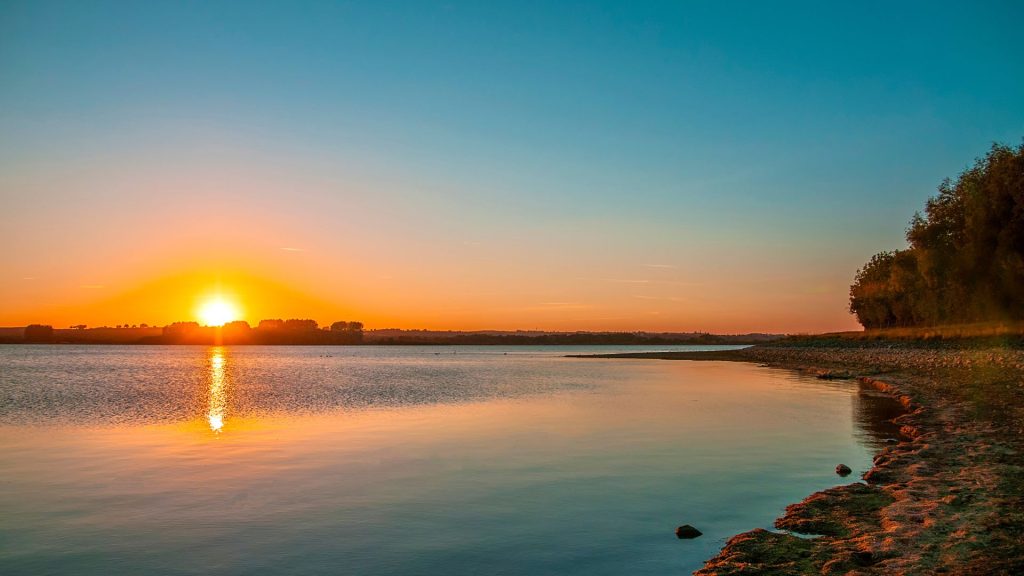
The rule of thirds helps create well-balanced photos at Rutland Water – try placing the horizon along the upper or lower third line rather than dead centre.
Leading lines, such as paths, jetties, or shorelines, naturally draw viewers’ eyes through the scene.
Adding stones, wildflowers, or weathered wood in the foreground creates depth, while framing shots through tree branches or stone archways highlights the iconic Normanton Church.
Natural elements like these tell a richer story of the location.
Seasonal Photography at Rutland Water
Each season presents distinct photo opportunities at Rutland Water.
Spring brings active wildlife and blooming flowers along the shoreline, perfect for macro shots.
Summer light stretches into long evenings, ideal for water sports action photos.
Autumn paints the surrounding trees in rich colours, while winter offers chances to photograph misty mornings and thousands of visiting waterfowl.
Morning and evening golden hours shift with the seasons, requiring adjusted timing for the best light conditions.

Using Filters for Dramatic Sky and Water Effects
Polarising filters work wonders at Rutland Water, cutting glare from the water’s surface and bringing out rich blues in the sky.
Neutral density (ND) filters allow longer exposure times, even in bright conditions, creating smooth water effects across the reservoir.
Graduated neutral density filters help balance bright skies with darker foregrounds, particularly useful when photographing at sunrise or sunset.
Night Photography at Rutland Water
For star photography at Rutland Water, use wide aperture settings (f/2.8 or wider) and high ISO values between 1600-3200.
The reservoir’s dark areas away from Oakham and Stamford offer better conditions for night shots.
Including Normanton Church or boat moorings in the foreground adds local character to starlit scenes.
Capturing Reflections
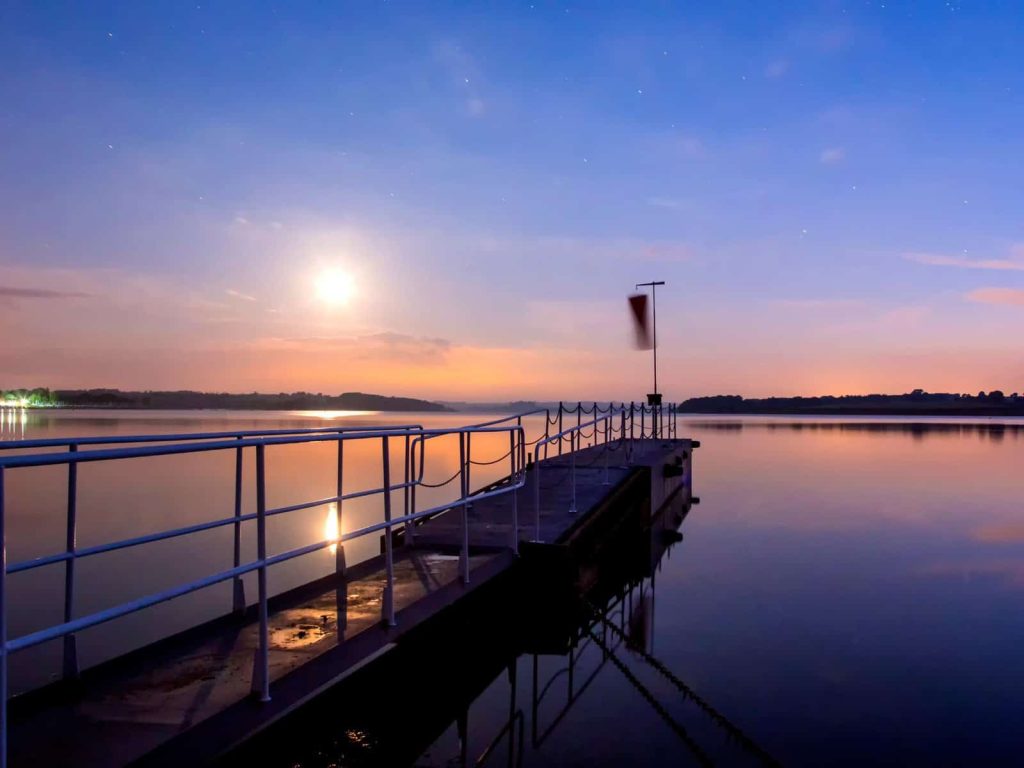
Early morning visits to Rutland Water offer the stillest conditions for mirror-like reflections.
The hour just after sunrise, when the wind hasn’t picked up, presents perfect opportunities to photograph Normanton Church mirrored in the water.
A polarising filter helps control reflection intensity, while careful exposure settings balance bright skies with their watery doubles.
Setting your camera low to the water’s surface creates the most striking reflection compositions.
Water Sports and Activities
Fast shutter speeds of 1/1000s or higher freeze water spray and movement during sailing, windsurfing, and kayaking at Rutland Water.
Switch to continuous autofocus mode to track moving subjects across the reservoir.
When photographing people enjoying water activities, obtain permission first – particularly for close-up shots.
Morning light typically offers the best conditions for catching the action while reducing harsh shadows and water glare.
Challenging Weather Conditions
Overcast skies at Rutland Water create soft, even lighting – perfect for photographing wildlife without harsh shadows.
Keep your camera gear safe with weather-sealed covers during rain or misty conditions near the water’s edge.
Foggy mornings offer chances to capture moody images of Normanton Church rising through the mist.
Storm clouds and breaking light create dramatic scenes across the reservoir, particularly during autumn and winter months.
Post-processing techniques
Remove noise from low-light images taken during dawn and dusk, particularly in wildlife shots.
The built-in noise reduction tools in most editing software work well for ISO settings up to 3200.
For night photos of Normanton Church, apply selective sharpening to maintain crisp architectural details while keeping water surfaces smooth.
Use gentle colour adjustments to maintain natural-looking skies and water.
Avoid over-saturating blues and greens – instead, work with white balance settings to convey the true morning or evening atmosphere at the reservoir.
Best Viewpoints
Normanton Church stands as the most photographed spot at Rutland Water, especially beautiful during sunrise from the eastern shore.
The dam wall offers sweeping views across the water, particularly striking for long-exposure photography. Walking the quieter north shore presents lesser-known angles of the reservoir.
For distinctive images, try the bird hides near Egleton visitor centre, offering close views of wildlife without disturbing them.
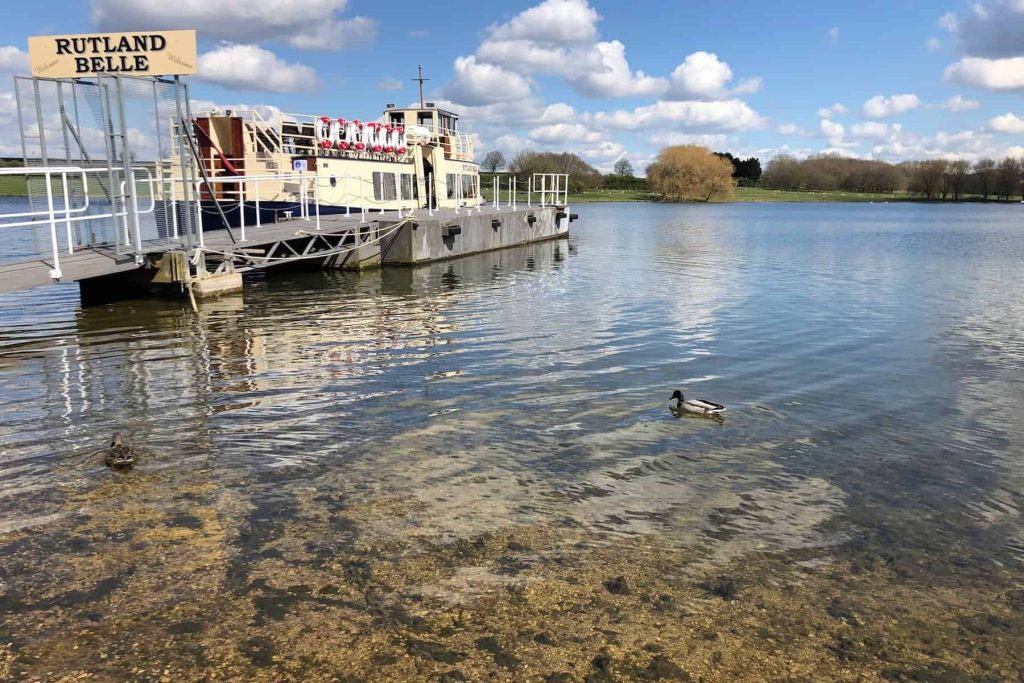
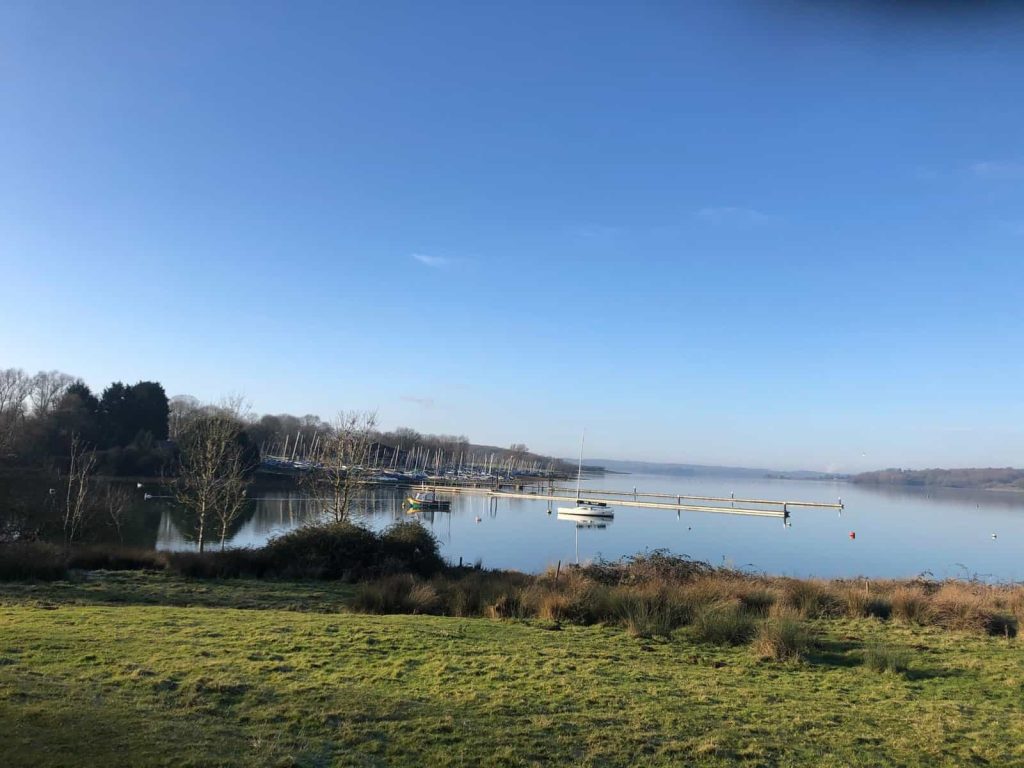
The sailing club’s wooden jetties create strong leading lines.
Ethical Wildlife Photography Practices at Rutland Water
Taking photos at a safe distance keeps birds and animals relaxed in their natural setting. Stay on marked paths to protect fragile habitats, particularly around nesting areas.
Avoid feeding wildlife to attract them for photos, as this can change their natural behaviours. Early morning visits often provide excellent chances to photograph animals without affecting their regular patterns.
During nesting season, be extra mindful around breeding birds.
Creating Panoramic Images
For sweeping views of Rutland Water, shoot a series of overlapping photos using manual settings to maintain consistent exposure.
Keep your camera level and overlap each frame by 30-50% as you pan across the scene.
Popular tools like Adobe Lightroom or PTGui help combine the images smoothly.
Rutland Water Photography FAQs
Some of the most popular locations include Normanton Church, the Hambleton Peninsula, and the Egleton Nature Reserve. For wildlife photography, head to the Lyndon Nature Reserve, where you might capture ospreys in action.
Sunrise and sunset provide the most dramatic lighting, especially at Normanton Church. Autumn offers rich colors, while winter can create stunning misty landscapes. For wildlife, spring and summer are ideal.
For general photography, no permit is required. However, commercial shoots or drone photography require permission from Anglian Water or the Rutland Water Nature Reserve.
Rutland Water is home to ospreys, kingfishers, waterfowl, deer, and otters. The nature reserves offer excellent birdwatching and photography opportunities, especially with a telephoto lens.
My Final Thoughts
Success in photographing Rutland Water comes from understanding not just the technical aspects, but also the geography of this popular destination.
The key lies in patience, preparation, and respect for both the environment and wildlife that call this place home. Whether you’re capturing dawn reflections, wildlife in action, or star-filled skies, Rutland Water rewards those who take the time to discover its photographic secrets.